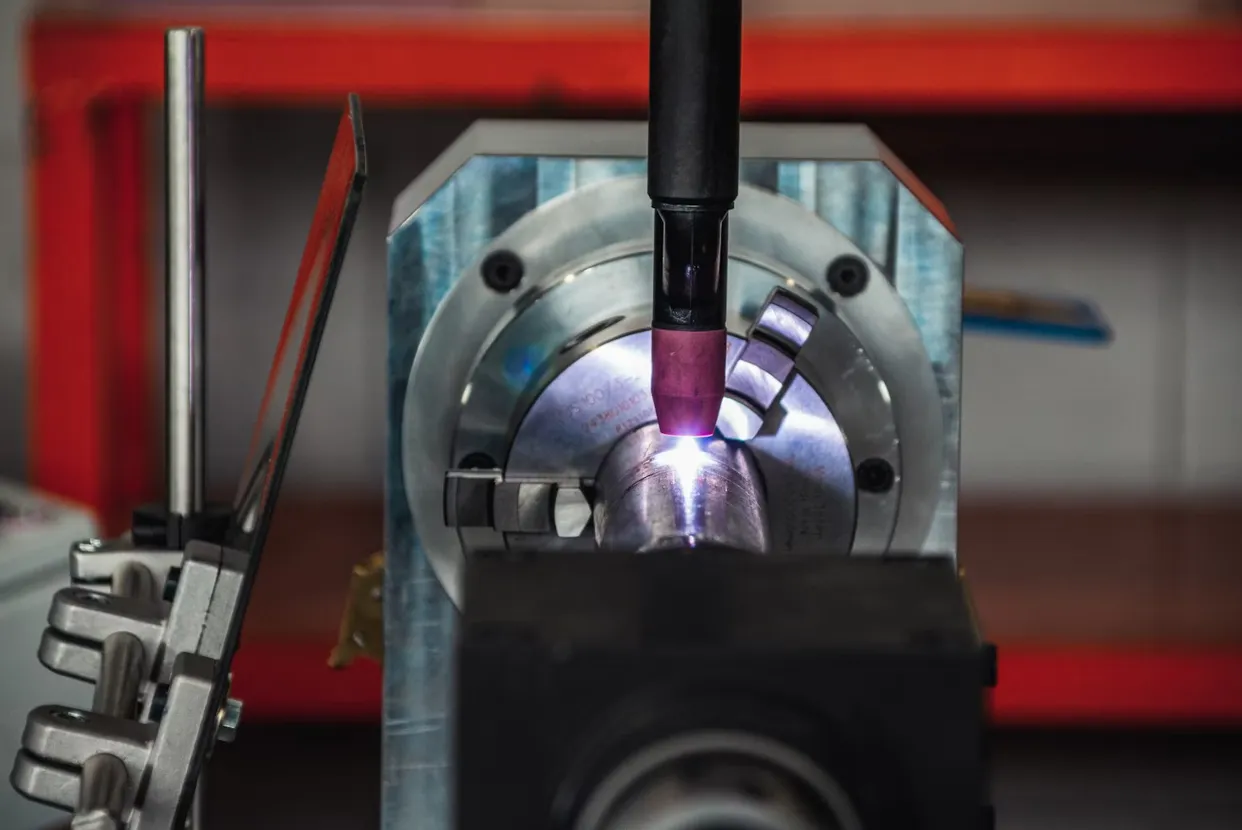
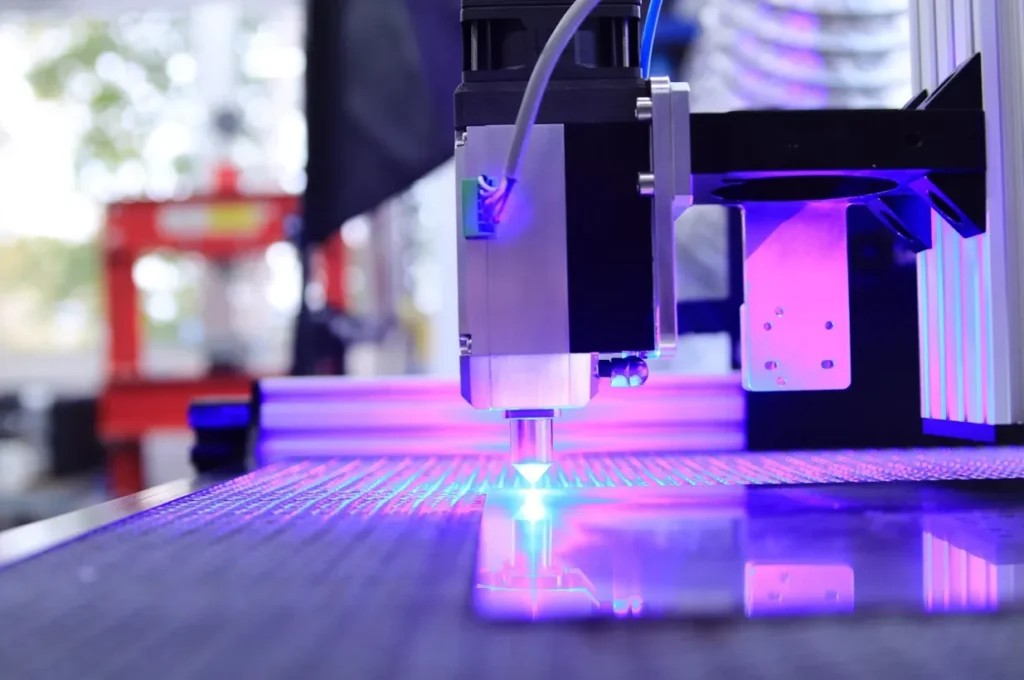
Laser cutting is a widely used technique in sheet metal fabrication due to its precision, speed, and versatility. It offers several advantages over traditional methods like mechanical cutting but also has limitations that should be understood for its optimal application in various industries. Laser cutting is especially valued for its ability to cut materials with high accuracy and efficiency, making it a preferred choice for many industrial applications.
Advantages of Laser Cutting
1.Precision and Quality
Laser cutting is known for its high precision. The laser beam’s high power density allows it to cut with exceptional accuracy, producing clean cuts with minimal surface roughness and a narrow heat-affected zone (HAZ). This precision ensures that parts fit together correctly, improving the overall reliability and quality of manufactured products. The ability to cut intricate and complex shapes with high accuracy makes laser cutting ideal for industries requiring detailed work, such as aerospace, automotive, and electronics.
2.Speed and Efficiency
Laser cutting is also faster than traditional methods. Cutting speeds can reach up to 270 meters per minute for materials like aluminum, significantly reducing production time compared to conventional mechanical cutting. The high cutting speeds, combined with the ability to cut multiple parts simultaneously, increase overall efficiency and make laser cutting a time-saving option for industries with high-volume production needs. The ability to automate the process further enhances efficiency, reducing manual labor and minimizing errors.
3.Versatility
Laser cutting is versatile and can handle a wide range of materials, including metals like steel, titanium, and aluminum alloys, as well as non-metals like plastics and ceramics. The process can also be applied to both thin and thick sheets, making it suitable for a variety of applications across different industries. Laser cutting can easily produce complex shapes and intricate designs that would be difficult or impossible to achieve with traditional mechanical cutting methods. This versatility allows manufacturers to work with a broad range of materials and product designs with minimal adjustments.
4.Automation and Control
One of the key benefits of laser cutting is its integration with digital control systems. CNC (Computer Numerical Control) technology enables precise control over the cutting process, enhancing accuracy and repeatability. This automation reduces human error, increases consistency, and improves overall product quality. By automating the cutting process, manufacturers can reduce labor costs, increase production speed, and enhance their ability to produce high-precision parts efficiently.
5.Environmental Benefits
Laser cutting is considered environmentally friendly due to its low noise levels and efficient material usage. The narrow laser beam minimizes material waste, making it an efficient method for cutting metals and other materials. Additionally, laser cutting generates less environmental pollution compared to traditional cutting methods. Harmful fumes are confined to the cutting area, which can be effectively ventilated, reducing exposure and maintaining a safer work environment.
Limitations of Laser Cutting
1.Heat Generation and Material Limitations
One of the challenges of laser cutting is the heat generated during the process, particularly when cutting thicker materials. The heat buildup can lead to issues like burning, roughness, and burr formation, especially with materials that have high melting points, such as stainless steel. The heat-affected zone (HAZ) may cause material distortion, which is undesirable for certain applications that require tight tolerances or undistorted surfaces. In such cases, other cutting methods may be more suitable.
2.Cost and Equipment Complexity
The initial investment in laser cutting equipment can be quite high. The technology requires specialized machinery, including laser heads, control systems, and cooling mechanisms, making it a significant investment for companies. Additionally, the complexity of the equipment means that skilled operators are required to program, operate, and maintain the systems. The need for ongoing maintenance and skilled personnel can add to the operating costs, which may be a barrier for smaller manufacturers with limited budgets.
3.Material Thickness Constraints
Although laser cutting is effective for a wide range of material thicknesses, there are limits to the thickness it can handle efficiently. Cutting very thick materials may require more powerful lasers, and even then, the quality of the cut may suffer. The cutting speed also decreases as the material thickness increases, which results in longer processing times. For very thick materials, other cutting methods, such as waterjet cutting or plasma cutting, may offer better results in terms of speed and quality.
4.Surface Finish Variability
Achieving a consistent surface finish with laser cutting can be challenging, as the finish depends on several parameters, including laser power, cutting speed, and gas pressure. Variations in these factors can lead to inconsistent results, requiring optimization of cutting conditions to ensure the desired finish. In some cases, post-processing may be necessary to achieve a high-quality surface, which adds to production time and cost.
Conclusion
Laser cutting offers numerous advantages, including precision, speed, versatility, and automation, making it an invaluable tool in modern sheet metal fabrication. Its ability to cut intricate shapes with high accuracy and speed has made it the preferred method for many industries, particularly those requiring high-quality parts and rapid production. However, challenges such as heat generation, material thickness limitations, and high equipment costs must be considered when choosing laser cutting for specific applications.
Despite these challenges, the benefits of laser cutting—particularly its high precision, efficiency, and versatility—continue to make it a popular and effective choice for manufacturers. As technology advances and optimization techniques improve, laser cutting will remain an essential tool in industries that require high-performance, high-quality components.

Leave A Comment