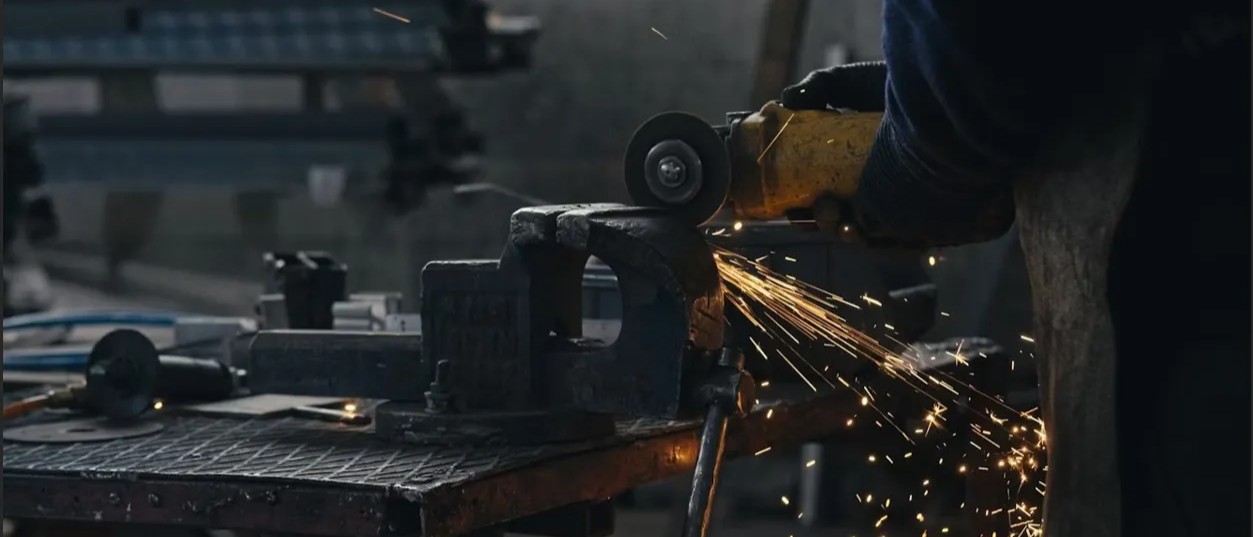
The comparison of thermal and mechanical metal cutting techniques in industrial applications reveals distinct differences in their impact on material properties, process efficiency, and application suitability. Thermal cutting methods, such as laser and plasma cutting, utilize heat to sever materials, while mechanical cutting involves physical force through tools like saws and shears. Each method has […]

October 8, 2025
Advancements in CNC Turning and Milling for High-Precision Manufacturing
Advancements in CNC turning and milling for high-precision manufacturing have significantly reshaped the standards in modern and evolving manufacturing. Plus, potential production facilities with reduced costs and effective operation. With the help of these technological developments, various industries, such as aerospace components and medical devices, are utilizing high-performance automotive CNC for improved and more precise […]
October 3, 2025
The Role of Lubrication and Cooling in Industrial Machining Operations
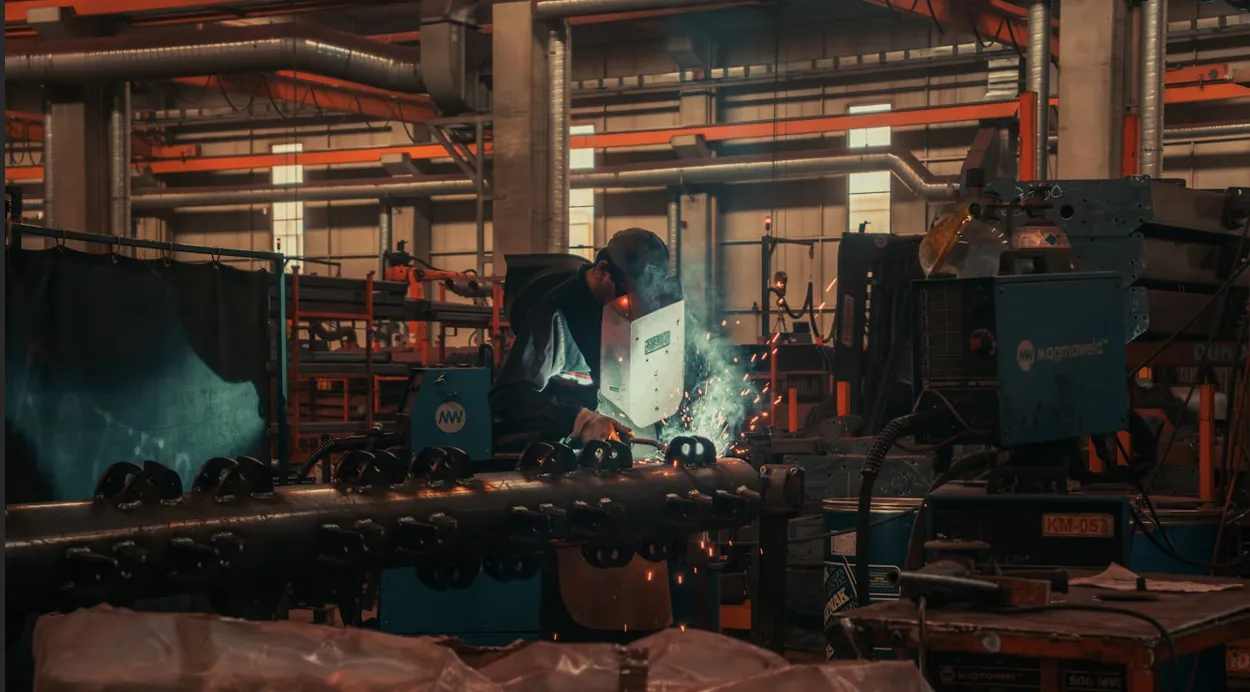
Nothing is more important than integrating precision, speed, and persistence during production, and it is vital to achieving high-performance results. Considering the necessity of these factors, lubrication and cooling in industrial machining have emerged to boost machines’ efficiency, sustainability, and lifespan, thereby protecting tool integrity and enhancing product quality. Lubrication and cooling systems are essential […]
August 15, 2025
Personal Protective Equipment (PPE) for Machine Operators: Standards and Effectiveness
Personal Protective Equipment (PPE) plays a crucial role in protecting machine operators from workplace hazards. Whether it’s exposure to heavy machinery, hazardous materials, or loud environments, PPE serves as the last line of defense between workers and potential harm. More than a regulatory formality, PPE is a fundamental part of workplace safety programs. While OSHA […]
July 28, 2025
Impact of Safety Training on Reducing Workplace Injuries in Manufacturing
Introduction Safety training is an essential part of workplace health and safety, especially in dangerous industries like manufacturing, construction, and energy. Many studies have looked at how safety training helps prevent injuries, using different methods to make workplaces safer. Here, we take a look at how different types of training affect different groups of workers […]
January 5, 2025
Cost-Benefit Analysis of Installing Viscous Dampers in Urban Buildings
The urban building is susceptible to a wide variety of structural issues, mainly when the building is located in seismic-prone areas. Installation of viscous dampers has gained momentum nowadays as one probable solution to this problem, which adds additional stability to buildings during events that cause buildings to vibrate violently, such as earthquakes or strong […]

December 24, 2024
Viscous Dampers’ Effectiveness in Reducing Wind-Induced Vibrations in Tall Structures
The severe problem of dealing with wind-induced vibrations finds its place in modern architecture, especially for tall structures. High-rise buildings are always subject to a number of environmental forces, amongst which wind can cause considerable swaying and discomfort to occupants. That is where viscous dampers come in as a great solution to minimize such effects […]

December 14, 2024
The Influence of Viscous Dampers on the Dynamic Behavior of Bridges
That is far from the truth, for most modern infrastructures boast of bridges that all but connect cities, economies, and transportation. On the other side, structural stability becomes an important concern much like the environmental factors of wind, seismic activity, or heavy loads of traffic. One of the truly impressive solutions to this challenge includes […]

December 4, 2024
Applications of Viscous Dampers in Retrofitting Heritage Structures
These building structures are precious in culture and history, representing feats in architecture as well as the identity of a community. They are, however, very often beset with unique problems of stability and resilience, especially where natural forces such as seismic activity and wind prevail. Traditional buildings have not been designed to respond to these […]

November 25, 2024
The Future of Smart Dampers: Innovations in Viscous Damper Technology
In engineering, the last few decades have seen phenomenal developments related to damper technologies that have totally changed the way in which buildings and other infrastructure resist dynamic forces caused by wind, seismic activity, or even traffic-induced vibrations. Probably one of the most burning areas of development relates to smart dampers, where innovation continues to […]
- 1
- 2